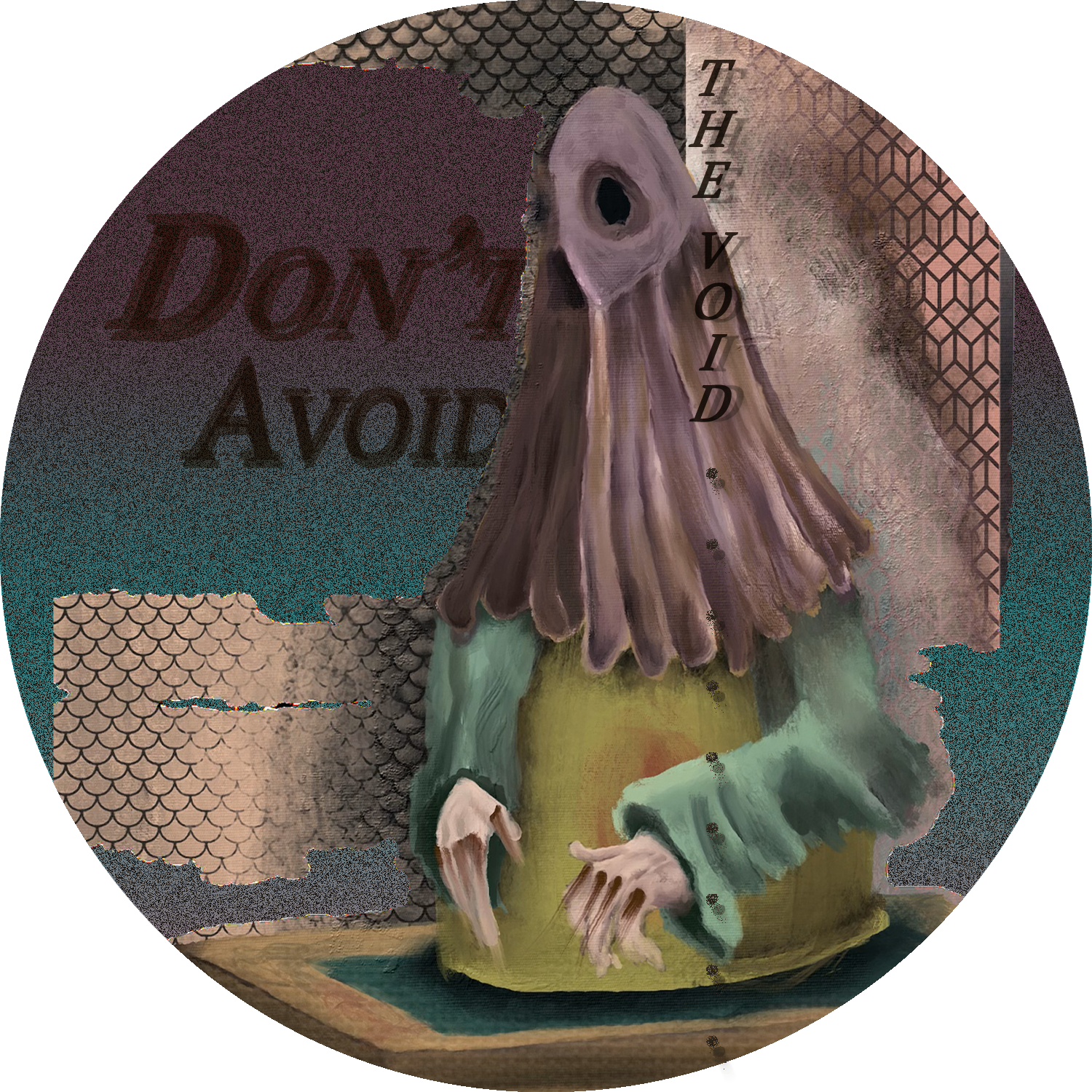
I can remember sitting in his office telling him I thought my hallucinations, the things that I see, the things that whisper to me were important and I wanted to learn more. It was my attempt to justify lowering one of the four antipsychotics I was on to my psychiatrist. It was a game we played for years. I thought how I experience reality, the psychosis, was fascinating, important, valuable. And he would tell me that psychosis only begets more psychosis, that the specifics of it are irrelevant because it’s all just brain damage. Psychosis is bad, we need to prevent it.
I had to negotiate a lower dose because I needed permission. Without permission, I might end up in the psych ward again, for being noncompliant. Without permission, I might end up getting electroshock therapy again, actual brain damage. It was like buying a car from a used car salesman. We’d lower the dose and I’d have one little psychotic hiccup and after a while he’d ask me, smug look on his face, if he could “sell me” on a higher dose of Clozapine. I was told to run from my experiences, to fear them, to medicate them into oblivion. And I’d have to buy — to not buy is to be ill, to be incarcerated, sedated, and even electrocuted into compliance.
And so I was good. But I can only be good for so long. I am curious by nature, insatiable. And I’ve learned that being myself is more important than being good. Especially when being good only means mindless obedience.
We obey to our peril.
I drew them, I sat with them, I asked them questions. And they stopped being horrific monsters as we started to have a dialogue. They had answers, they had insight. They were aspects of myself but also so much more. It was a dialogue with myself, a dialogue with other, a dialogue with the unknown. whatever we choose to call it isn’t important — it’s irrelevant. The unknown is the unknown for a reason — and it’s audacious to try to define it, to insist it fit neatly into taxonomy and pathology. In exploring this dialogue with the unknowable I discovered a deep connection, a communion with other. A wisdom I’ve had screaming from my bones since birth. A wisdom I’ve been historically punished for sharing. A wisdom I am told is madness.
And it is! Of course madness is wisdom. What else would it be? In interacting with it, in relating to it, I have befriended it. These daemons that haunt me, taunt me, assault me are also my companions. Essential aspects of my self. I am not special, but I am privileged in a way. This madness is a thing that all of humanity shares. We have, in our own ways, throughout time celebrated and embraced it. It is ours, something we all share, a collective unconscious. And we are neglecting it to our peril.
One of the daemons I talk to is The Void Keeper — the subject of many of my paintings. He is a psychopomp — a guide through the chaos and the madness that is my self. He tends to the void, and to those that embrace it. Much of my work as an artist has focused around embracing my inner daemons — trying to understand them, being curious about them, relating to them as I would relate to everyone else around me. And it has been so richly rewarding and transformative. Early depictions of these daemons were as cruel, twisted, and terrifying as I experienced them. But as I drew them I became more familiar with them. As I became familiar with them I grew more comfortable. And when I was comfortable enough I started asking them questions. And they shared with me. I was no longer a conduit for the mad machinations of my mind, I was a collaborator. I could set boundaries with them, learn from them, heal with them. And so they became less twisted and more familial. Strange and delightful, just like I am.
The void is something we colloquially joke about screaming into. When frustration mounts and there’s no one to vent to, no one to understand, no one to support us — we scream into the void as a last and futile resort. The void is treated as inherently nihilistic. It’s a place to be isolated in our frustrations, a place we do not want to go to. We have too much to do; spreadsheets, laundry, and conspicuous consumption as demanded by capitalism. We avoid the void to be good. We avoid the void in service of masters that do not care for anything but to exploit us. We avoid the void to our peril. We refuse to embrace madness because madness does not produce anything that we can sell. Only by pathologizing it and fearmongering about it can we exploit it for profit.
My work encourages us to embrace the void. To embrace madness and the unknowable other. That unknowable, undefinable other is just as real as the reality we share with everyone else and it is just as important. In the series, The Void Keeper has been tasked with guiding us to the void and keeping us company as we confront shadow — those aspects of ourselves that we refuse to acknowledge or relate to. But lately, folks have been neglecting the void and it hurts us all. And so The Void Keeper has been trying to figure out how to entice us to embrace the void. Not to our demise, but for our benefit. He tries snacks, he creates an arcade with games to try to encourage people into the void, he goes on a publicity tour. He even creates a timeshare after hearing that such places are sold as vacation rental properties that put pressure on people to take vacations. Only he misunderstands much of what he tries to make. The arcade is full of games that aren’t really games, and he becomes stuck inside one of the machines. The publicity tour features a cobbled together horror made out of a bird cage to interview him which many find unsettling. When he serves doughnuts and coffee he offers no cups or napkins. And when he makes the timeshare he confuses it with the timeshares used in computing during the 60s and 70s as a way to share access to mainframe computers, so the timeshare is really just a pile of sand.
He misunderstands because he is other but also because it’s whimsical. Part of my own transformation was understanding that my own experience of reality is whimsical. When I am in a good mood I have these little critters I call sprites that follow me around excitedly, dooting melodies from their faces that look trumpets. When I am scared, there are more menacing creatures that follow me, escorting me in the darkness as I head home. They keep me safe. I used to be terrified of these things, until I realized that they are just a reflection of my internal experiences. Madness is wisdom and it’s also magic. Healing did not come from adding yet another antipsychotic to my regimen that would dull my senses and make me sleep for 18 hours a day. Healing came from curiosity, from acceptance and from the alchemical transformation of these inner tormentors into my friends.

